 info@floreslandscapeservicesllc.com
 (302) 513-7951

Summary
At Flores Landscape Services, we provide planting services for New Cumberland, Linglestown, Hershey, and surrounding Central Pennsylvania communities. We help property owners improve beds and outdoor areas with trees, shrubs, perennials, and other plant material selected and placed based on the property's conditions, available space, and the finished look they want to create.
What Our Planting Services Include
Good planting is not simply finding an open spot and filling it. Plant size, spacing, sunlight, moisture, nearby structures, and how the bed will be maintained all affect whether the finished area looks balanced now and stays practical as it grows.
Planting Around Existing Beds and Property Features
New plants often need to fit around features that are already staying. We look at the home, established trees and shrubs, walkways, lawn edges, utilities, windows, steps, and other nearby elements before deciding where new material belongs.
A focused planting project might update an entry bed, add structure to an area that feels sparse, replace plants that no longer fit, or strengthen an existing landscape without rebuilding everything around it. When planting is one part of a larger property improvement, our landscape installation services can help coordinate beds, grading, lawn transitions, and other installed elements.
Trees, Shrubs, and Perennials Have Different Jobs
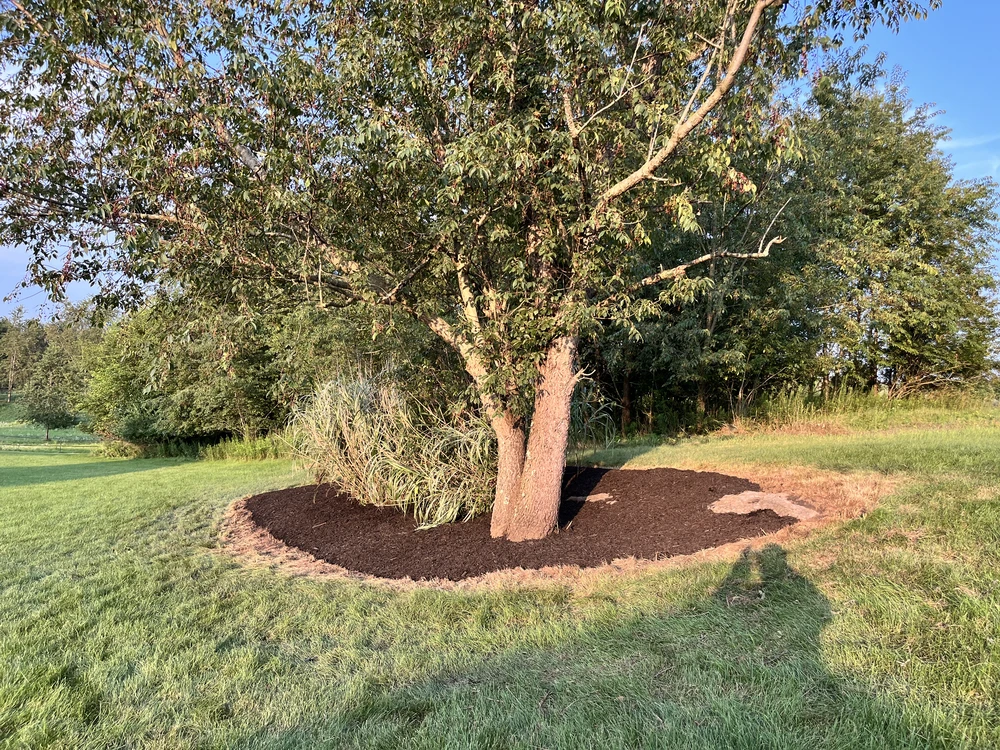
Different plant types contribute to the landscape in different ways. Trees and larger shrubs can provide structure and height. Smaller shrubs can help define a bed or soften the relationship between a home and the lawn. Perennials can add texture and seasonal interest without requiring every part of the bed to carry the same visual weight.
We consider how those layers work together rather than choosing each plant in isolation. The goal is a planting arrangement that feels intentional without crowding the available space.
Problems Our Planting Services Help Solve
Planting projects are often most useful when a property doesn't need a complete landscape rebuild, but one or more beds no longer look proportioned, complete, or easy to maintain.
Plants That Are Crowded, Sparse, or Poorly Placed
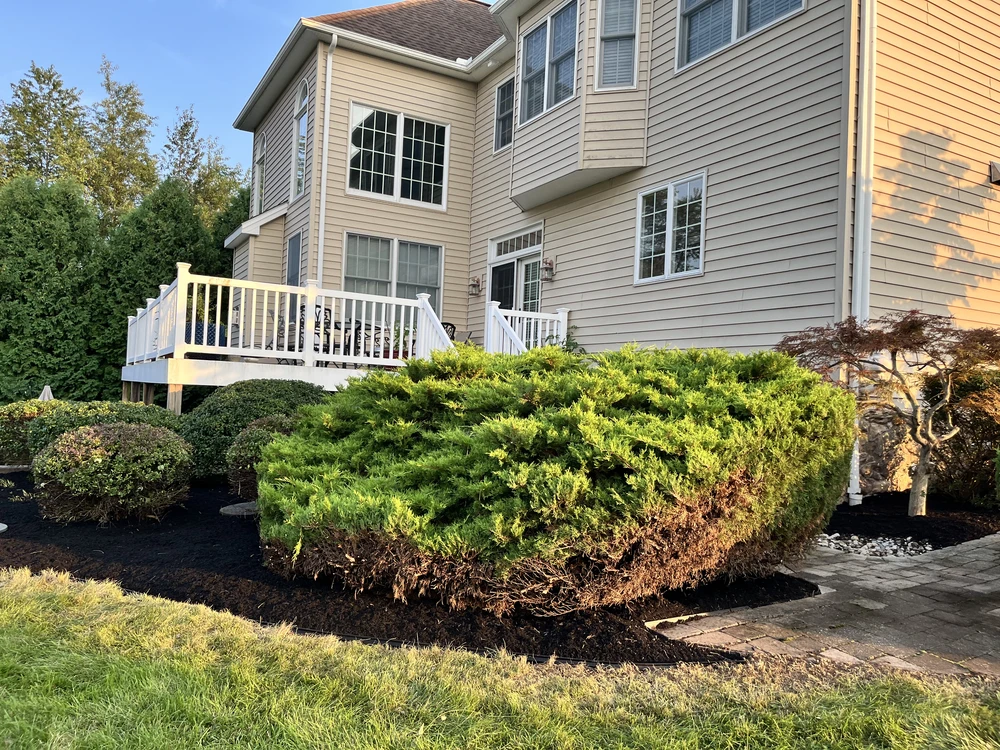
A bed can feel off even when individual plants are healthy. Shrubs may crowd windows or walks, one section may be overloaded while another looks empty, or plants installed years apart may no longer work together at their current sizes.
We look at what can remain before recommending replacements. Preserving plants that still suit the property can keep a focused project manageable while making room to correct the areas that are causing the biggest visual or maintenance issue.
Beds That Need More Structure and Seasonal Interest
Some planting areas lack enough variation in height, form, or seasonal interest to feel complete. Others may rely on a few plants that look good briefly but leave the area visually flat during much of the season.
A better planting mix can create stronger structure while still fitting the level of upkeep the customer wants. For properties that need broader changes beyond the plants themselves, our landscaping services can address bed shape, mulch, edges, lawn relationships, and other connected improvements.
Our Planting Process
The right plant choice starts with the place where it will grow. We evaluate the planting area first, then work toward a layout that makes sense for both the immediate result and future growth.
Evaluate Light, Moisture, Space, and Existing Roots
We review how much sun the area receives, how moisture behaves after rain, the available planting space, existing root competition, and nearby hard surfaces or structures. A sunny, open bed may require a different approach than a shaded foundation area beneath mature trees.
We also look at the role the planting needs to serve. A front entry may need structure and a cleaner first impression, while a backyard bed may need softer edges or plants that better fit changing light conditions. If surrounding turf also needs to be established or restored, our sod installation service can help coordinate the lawn-to-bed transition.
Prepare, Place, Plant, and Finish Cleanly
Once the planting direction is established, we prepare the included area and lay out plant locations before completing installation. Seeing the spacing in relation to walks, windows, neighboring plants, and bed boundaries helps catch crowding or awkward gaps before the job is finished.
After planting, we complete the surrounding bed details included in the agreed scope and leave the area orderly. We also explain the immediate establishment priorities so the customer knows what needs attention after installation.
Important Factors to Consider Before Planting
Plants are living parts of the landscape. How they look on installation day matters, but their future size and the care they receive during establishment matter just as much.
Plan for Mature Size, Not Nursery Size
A young shrub can look small when it first goes into a bed, but placing plants too close together can create unnecessary pruning, crowd nearby walks, and reduce the clean structure of the original layout as they mature.
We consider expected growth when determining spacing around structures, windows, pavement, neighboring plants, and lawn areas. The right amount of breathing room may look less full on day one, but it gives the planting a better opportunity to develop into the intended arrangement.
Establishment Care Matters After Installation
New plants need time to establish roots in the surrounding soil. Watering needs vary with the plant, weather, soil conditions, exposure, and recent rainfall, so establishment care should respond to what is actually happening at the property.
Mulch and routine observation can also help protect the planting area while it settles in. Customers should watch for unusual wilting, prolonged saturation, damage, or other signs that conditions are not matching what the new plants need.
Why Choose Our Team for Planting
Planting can create a noticeable property improvement without making the project larger than it needs to be. At Flores Landscape Services, we focus on the planting area's conditions, what is worth keeping, how new plants will fit their surroundings, and the details that make the finished bed look clean and intentional.
We provide planting services in New Cumberland and Linglestown, as well as Hershey and other communities throughout our Central Pennsylvania service area. Our approach stays practical: define the priority, choose plant material that fits the space, install it carefully, and make sure the customer understands what the new planting needs next.
Conclusion
The right planting can refresh an entry, restore balance to an existing bed, or add structure to an area that has never felt finished. Contact our team to discuss the planting areas on your property and the trees, shrubs, perennials, or coordinated improvements that make sense for the space.
FAQs
These answers address common questions property owners have before planning a planting project.
How Do You Decide Which Plants Are Appropriate for a Property?
We begin with the planting location. Sunlight, soil moisture, drainage, available space, mature plant size, existing roots, nearby structures, and maintenance expectations all influence the choice. Appearance matters, but the plant also needs to fit the conditions where it will grow.
Can You Add New Plants Without Replacing an Entire Landscape Bed?
Yes, when the existing bed and healthy plants still work with the property. A focused project may replace poorly placed material, fill an area that lacks structure, or add complementary plants while preserving worthwhile existing features. We evaluate the bed before determining how much should change.
How Far Apart Should New Shrubs and Perennials Be Planted?
Spacing depends on the mature width and growth habit of the specific plant rather than one universal measurement. We consider how neighboring plants will develop and how much clearance is needed from walks, windows, structures, and lawn areas.
What Should I Expect After New Plants Are Installed?
New planting needs an establishment period. Watering and monitoring are especially important while roots begin growing into the surrounding soil. The exact needs depend on the plants, weather, exposure, and soil moisture, so we explain the immediate care priorities for the completed work.
