 info@floreslandscapeservicesllc.com
 (302) 513-7951

Summary
At Flores Landscape Services, we provide recurring landscape maintenance for New Cumberland, Linglestown, Hershey, and nearby Central Pennsylvania communities. We help residential and commercial property owners keep lawns, beds, shrubs, edges, and seasonal debris under control through an organized service plan that makes the property easier to manage.
What Our Landscape Maintenance Services Include
Landscape maintenance brings several recurring and periodic tasks into one practical plan. The exact mix depends on the property, the season, and the level of finish the customer wants to maintain.
Scheduled Lawn and Edge Care
For properties that need consistent turf care, our lawn mowing service can form the recurring base of the schedule. Mowing, trimming around obstacles, defining edges, and clearing clippings from hard surfaces help the lawn support the appearance of the whole property. The goal is not to perform the same motions without looking at conditions. Growth, recent rain, soft ground, shade, access, and the shape of the site can all affect what should be completed during a visit.
Bed, Shrub, and Seasonal Upkeep
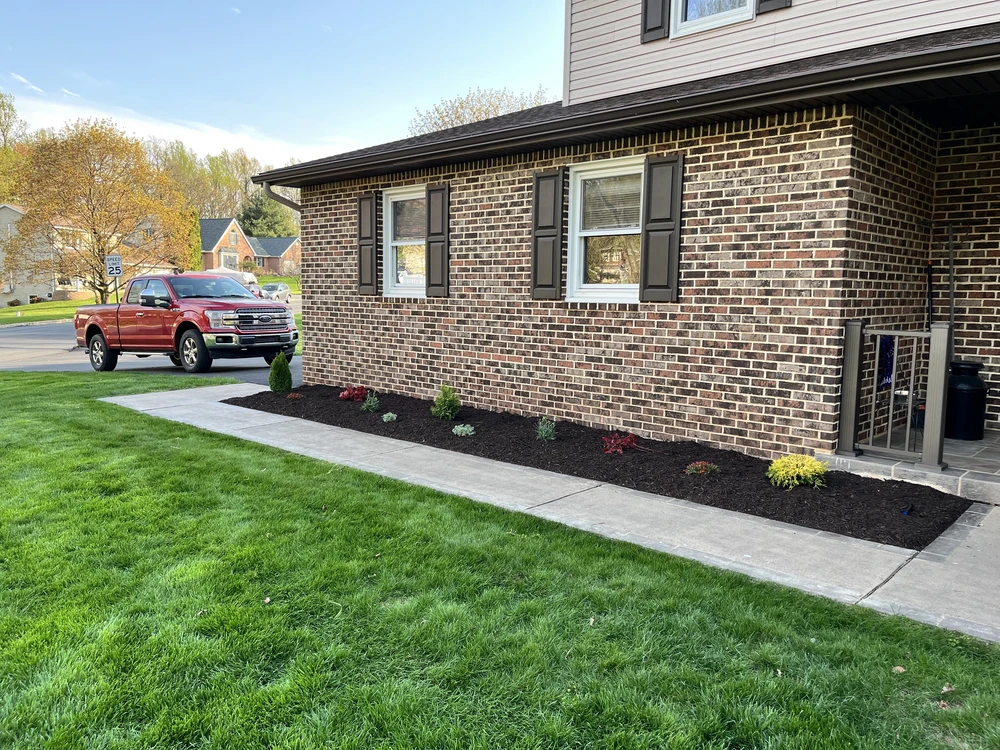
Landscape beds need attention beyond the day they are installed. Maintenance may include clearing seasonal debris, restoring bed edges, refreshing mulch, trimming shrubs and hedges, clearing brush, and completing spring, fall, or leaf cleanups. These tasks help prevent overgrowth and buildup from hiding the original landscape. When a plant has failed, outgrown its location, or needs to be replaced rather than maintained, a separate planting project may be the better next step.
Problems Our Landscape Maintenance Services Help Solve
A property rarely becomes difficult to manage all at once. Small unfinished tasks accumulate until the lawn, beds, and shrubs no longer look connected or consistently cared for.
A Property That Slowly Loses Definition
Bed edges soften, mulch thins or shifts, shrubs spread into walkways, and leaves settle into corners that are easy to overlook. None of those issues may seem major by itself, but together they can make an otherwise sound landscape look neglected. Recurring maintenance protects the details that create a finished appearance and makes it easier to notice changes before they affect a larger area.
A Backlog of Separate Yard Tasks
Property owners often keep up with one task while several others wait. The lawn may be cut, but the hedges remain overgrown; the beds may be mulched, but spring debris is still collected near the fence. A coordinated plan separates routine work from seasonal work and gives each task an appropriate place in the schedule. This reduces the need to arrange a different one-time visit every time the property begins to fall behind.
Our Landscape Maintenance Process
Good recurring service starts with agreement about the property, the priorities, and what belongs in the plan. We keep the scope clear so customers understand what routine visits cover and which larger improvements should be handled separately.
Set Priorities and a Service Rhythm
We begin by looking at the lawn, planting beds, shrubs, edges, access points, and areas that repeatedly create extra work. We discuss which spaces matter most, what level of finish the customer expects, and which tasks are recurring, seasonal, or occasional. This helps create a practical rhythm rather than forcing every property into the same checklist. It also gives our team a consistent reference for future visits.
Complete Each Visit With a Finished Look
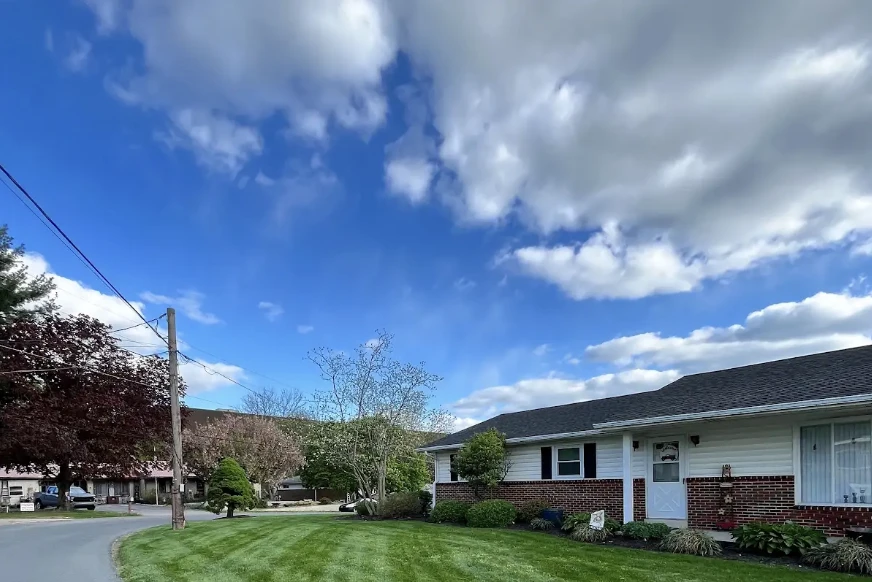
During service, we work through the scheduled priorities and pay attention to the transitions people notice: lawn to walkway, turf to bed, shrubs to windows, and planting areas to gathering spaces. We keep work areas orderly and clear applicable clippings or debris before leaving. When weather, soft ground, storm damage, or an unexpected property condition affects the planned work, clear communication matters so the customer knows what changed and what should happen next.
Important Factors to Consider for Landscape Maintenance
The best plan matches the property instead of treating every task as weekly or every concern as routine maintenance. Frequency, seasonal timing, and the condition of the existing landscape all shape the right scope.
Frequency Changes With the Property and Season
During active growth, weekly mowing may be the recurring base of a maintenance plan, while shrub trimming, mulching, brush clearing, and cleanups follow a different cadence. A shaded lot may dry more slowly after rain, an open lawn may grow differently through summer, and a property with mature trees may need more attention during leaf season. A useful schedule accounts for those differences without promising that every visit will look identical.
Know When Maintenance Becomes an Improvement Project
Maintenance preserves and organizes what is already present. It cannot permanently correct a poorly placed plant, failing bed layout, major washout, standing-water problem, or landscape that no longer fits how the property is used. When ongoing care keeps working around the same underlying issue, our landscaping services may provide a more practical reset. Defining that boundary helps customers avoid paying repeatedly for surface-level work when a focused improvement would solve the source of the problem.
Why Choose Our Team for Landscape Maintenance
Recurring service depends on more than the work completed during one visit. Customers need a team that understands the priorities, communicates professionally, and returns with the same expectations in mind. We focus on hardworking service, an orderly result, and a straightforward experience for homeowners, businesses, and other properties that need dependable ongoing care.
We also understand that full-property maintenance does not mean every available service belongs in every plan. We keep the scope centered on the property’s actual needs and can identify when a seasonal cleanup, bed refresh, or separate improvement makes more sense than adding unnecessary recurring work.
Conclusion
A practical maintenance plan can keep the lawn, beds, shrubs, and seasonal needs from becoming a growing list of unfinished chores. Contact our team to discuss landscape maintenance in New Cumberland, Linglestown, Hershey, or another community in our Central Pennsylvania service area.
FAQs
These answers address common questions about recurring landscape care, service frequency, and the difference between maintenance and improvement work.
What Is Included in a Landscape Maintenance Plan?
A plan may combine recurring lawn care with trimming, edging, bed cleanup, shrub or hedge trimming, mulch attention, brush clearing, and seasonal cleanups. The included tasks should be confirmed for the individual property because not every service needs the same frequency or belongs in every visit.
How Often Should Landscape Maintenance Be Scheduled?
Frequency depends on growth, property size, tree cover, bed conditions, season, and the desired level of finish. Weekly mowing may be appropriate during active growth, while pruning, mulching, and seasonal cleanup are normally scheduled when the property needs them rather than automatically included every week.
How Is Landscape Maintenance Different From Lawn Mowing?
Lawn mowing focuses on the turf and the finishing work immediately around it. Landscape maintenance covers a broader set of property needs, which may include beds, shrubs, hedges, brush, mulch, leaves, and seasonal debris in addition to recurring lawn care. Keeping the services distinct makes the scope easier to understand.
When Does a Property Need a Seasonal Cleanup or Refresh?
A seasonal cleanup is useful when leaves, branches, spent growth, shifted mulch, or other debris begin to hide the shape of the landscape. A refresh may be more appropriate when beds need re-edging, fresh mulch, selective plant replacement, or other focused improvements beyond ordinary cleanup.
