 info@floreslandscapeservicesllc.com
 (302) 513-7951

Summary
At Flores Landscape Services, we improve outdoor spaces through practical landscaping for New Cumberland, Linglestown, Hershey, and nearby Central Pennsylvania communities. We focus on noticeable improvements that suit the property, from bed refreshes and planting updates to small renovations that make the yard feel more cohesive and easier to care for.
What Our Landscaping Services Include
Landscaping may involve one focused upgrade or coordinated work across several parts of a yard. We identify the priority, then shape the scope around the site, existing features, and desired result.
Focused Property Refreshes
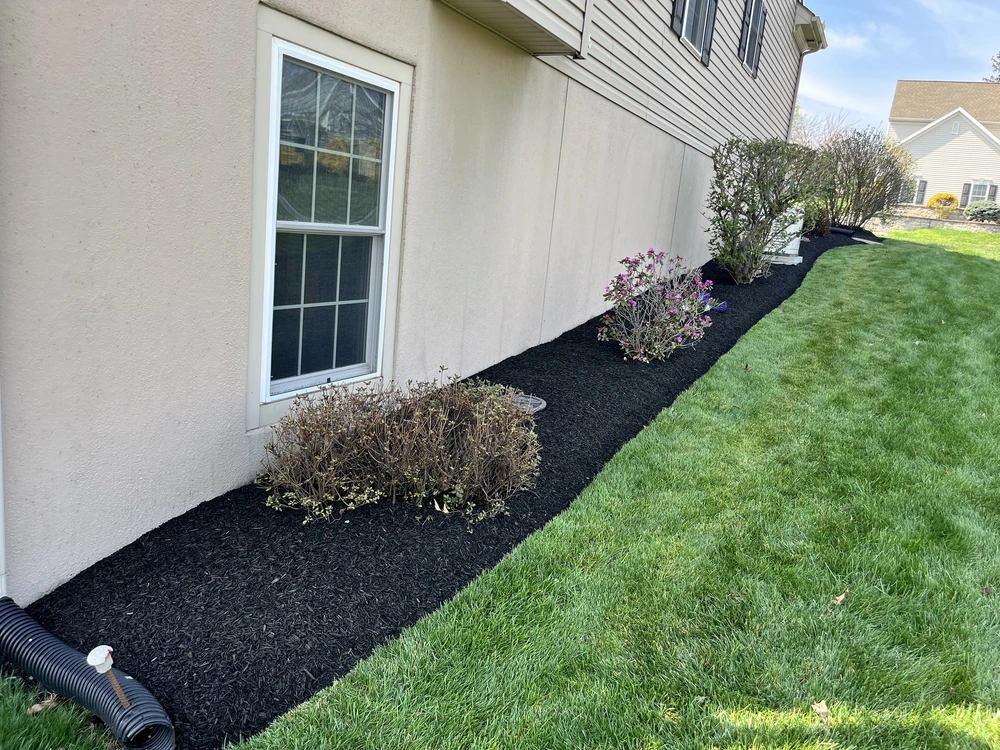
A tired front bed may need overgrown material removed, edges reshaped, selected shrubs replaced, and fresh mulch added. A backyard may need bare areas filled in, awkward borders simplified, or a neglected section brought back into the rest of the property. We help identify the changes that will create the greatest visible improvement without overcomplicating a manageable job. When new trees, shrubs, or flowers are part of the plan, our planting services support thoughtful placement, spacing, and balance.
Connected Beds, Lawns, and Outdoor Features
A landscape feels complete when the lawn, planting beds, walkways, walls, and gathering areas look like parts of a single property rather than separate projects. Depending on the scope, we may coordinate bed layout, grading, sod transitions, edging, mulch, drainage considerations, and connections to existing hardscapes. For projects that involve building several new elements together, our landscape installation services provide a more in-depth path from site preparation through final placement.
Problems Our Landscaping Services Help Solve
Landscaping problems often develop gradually. Beds lose their shape, plants outgrow their designated areas, and small unfinished areas begin to affect the property's overall appearance.
Yards That Look Tired or Pieced Together
A yard may contain healthy plants and useful features but still feel uneven because updates were made at different times without one direction. One bed may be crowded while another looks bare, edges may disappear into the lawn, or plant sizes may no longer suit the home. We look for opportunities to reset the scale, preserve what still works, and improve the areas that draw the eye first. The goal is not to replace everything automatically. It is to make the property feel intentional again.
Areas That Require Too Much Work
Plants that crowd walkways, beds that are difficult to mow around, and poorly defined transitions can make routine care harder than necessary. We consider how the property is used, how much upkeep the customer wants to handle, and which areas repeatedly cause frustration. When washout, standing water, or a difficult grade affects the planned work, we account for that condition before applying a cosmetic fix.
Our Landscaping Process
A straightforward project begins with a clear understanding of what should change and what should remain. We keep the work centered on the customer’s priorities and the site conditions that will affect the result.
Start With What Should Stay
We begin by walking the property and discussing what you like, what isn't working, and where an improvement would add the most value. Healthy trees, shrubs, beds, and hardscape features may be worth keeping when they still fit the space. We also consider sunlight, shade, slope, water movement, access, mature plant size, and future maintenance. This keeps the investment focused instead of treating every yard as a complete tear-out.
Sequence the Work and Finish Cleanly
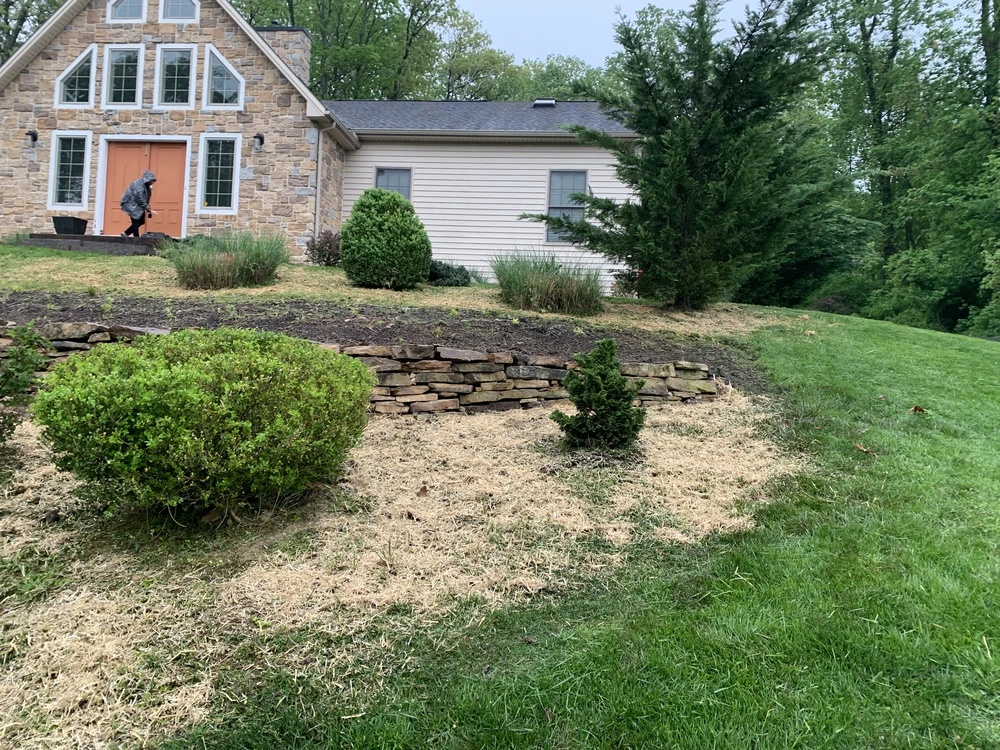
Depending on the scope, the work may include selective removal, bed reshaping, soil or grade preparation, planting, edging, mulch placement, and restoration around disturbed areas. Preparation comes before the finishing layer. We keep work areas organized, pay attention to transitions, and clean up before the project is complete. We also explain the immediate care the refreshed areas will need.
Important Factors to Consider for Landscaping
The strongest plan fits the property on installation day and remains practical afterward. Appearance matters, but so do growth, access, seasonal care, and the way each area connects.
Match the Scale to the Property and Routine
Plantings should fit their mature space, available sunlight, soil moisture, and relationship to windows, walkways, utilities, and neighboring plants. Bed shapes should complement the home without creating tight mowing spaces or excessive trimming. Materials should also match the setting and the level of maintenance the customer expects. These choices help a short project achieve a lasting result rather than a temporary improvement that quickly becomes cluttered or difficult to manage.
Plan for Care After the Refresh
New plants and sod need establishment care, while existing beds still benefit from seasonal cleanup, pruning, edging, and mulch attention. We discuss what the property will need next so the improvement does not lose its shape after the first season. Customers who prefer ongoing support can connect the project with our landscape maintenance services for more consistent care of beds, shrubs, lawn edges, and seasonal needs.
Why Choose Our Team for Landscaping
We understand that not every landscaping project needs to become a full-property rebuild. Some of the most satisfying changes come from correcting the right bed, refreshing an entry, replacing poorly placed plants, or bringing several unfinished areas together. We approach focused improvements and short renovations with serious attention to preparation and finished details.
We keep the experience straightforward. We listen before recommending work, define priorities, work hard while on the property, and leave the area orderly. That approach supports residential and commercial property owners who value professional service, clear communication, and a visibly improved landscape without unnecessary complication.
Conclusion
Whether one visible area needs a reset or several parts of the yard need a coordinated plan, we can help shape the next practical step. Contact our team to discuss landscaping in New Cumberland, Linglestown, Hershey, or another community in our Central Pennsylvania service area.
FAQs
These answers address common questions property owners ask before planning a landscaping refresh or a minor renovation.
What Types of Landscaping Projects Are a Good Fit for Your Team?
We handle focused curb-appeal improvements, bed refreshes, planting updates, edging, mulching, sod transitions, and short landscape renovations. We can also coordinate related improvements when multiple areas need attention. The final scope depends on the property and the work required for a complete result.
Which Landscaping Changes Usually Create the Biggest Visual Difference?
Front-entry beds, cleaner edges, refreshed mulch, better-scaled plants, and repaired transitions often quickly change the first impression. We prioritize the areas people notice most and the problems that make the property feel unfinished, then build the scope around what can be completed well.
How Can Landscaping Work Be Completed in Phases?
A phased plan may start with the entry, the most visible bed, or the area creating the biggest maintenance problem. Later phases can address adjoining beds, lawn transitions, hardscape connections, or other parts of the property. Planning the order early helps each phase stand on its own and reduces the chance that completed work will need to be disturbed later.
What Should I Expect After a Landscape Refresh?
New plants or sod may need careful watering and limited disturbance while they establish. Beds still require routine weeding, edging, pruning, and seasonal cleanup based on the materials and plants used. We explain the immediate care priorities, so you know what matters once the installation work is complete.
