 info@floreslandscapeservicesllc.com
 (302) 513-7951

If your yard stays wet for days after it rains in Central Pennsylvania, a simple walk across the grass can feel frustrating. September can bring cooler nights, damp mornings, and enough rain to show where the yard has been holding water all summer. Landscaping may not be the first thing a homeowner thinks about when puddles keep showing up, but the right plan can make a big difference in how the property dries out. This blog explains why your yard stays wet and what you can do before soft turf, muddy beds, and drainage problems get worse.
Landscaping Causes Behind Wet Central Pennsylvania Yards
Landscape Maintenance Clues
Good Landscaping starts with noticing how the yard acts after a normal rain, not just after a major storm. If water sits in the same place each time, the soil may be too compacted, the grade may be sending water the wrong way, or runoff may be coming from the roof, driveway, or nearby hard surfaces. Around Harrisburg, September is not exactly dry, since a normal September can still bring close to three inches of rain. That means a yard with drainage issues can stay soft even when the weather feels mild. With landscape maintenance, homeowners can spot these trouble areas before the wet section spreads into other parts of the lawn. Homeowners in New Cumberland, PA may notice this more near older walkways, shaded side yards, or low turf near a driveway.
Compaction is one of the most common reasons a yard stays wet. When foot traffic, mower tires, pets, or construction work pack down soil, the tiny air spaces shrink. Water then sits near the surface instead of soaking deeper into the ground. Landscaping crews often notice this when a lawn feels hard when dry but turns mushy after rain. Sometimes core aeration can help open the soil, especially when the turf is still healthy enough to recover. Other times, the problem runs deeper and needs grading, soil improvement, or drainage work before the lawn can truly improve.
Planting Beds That Stay Damp
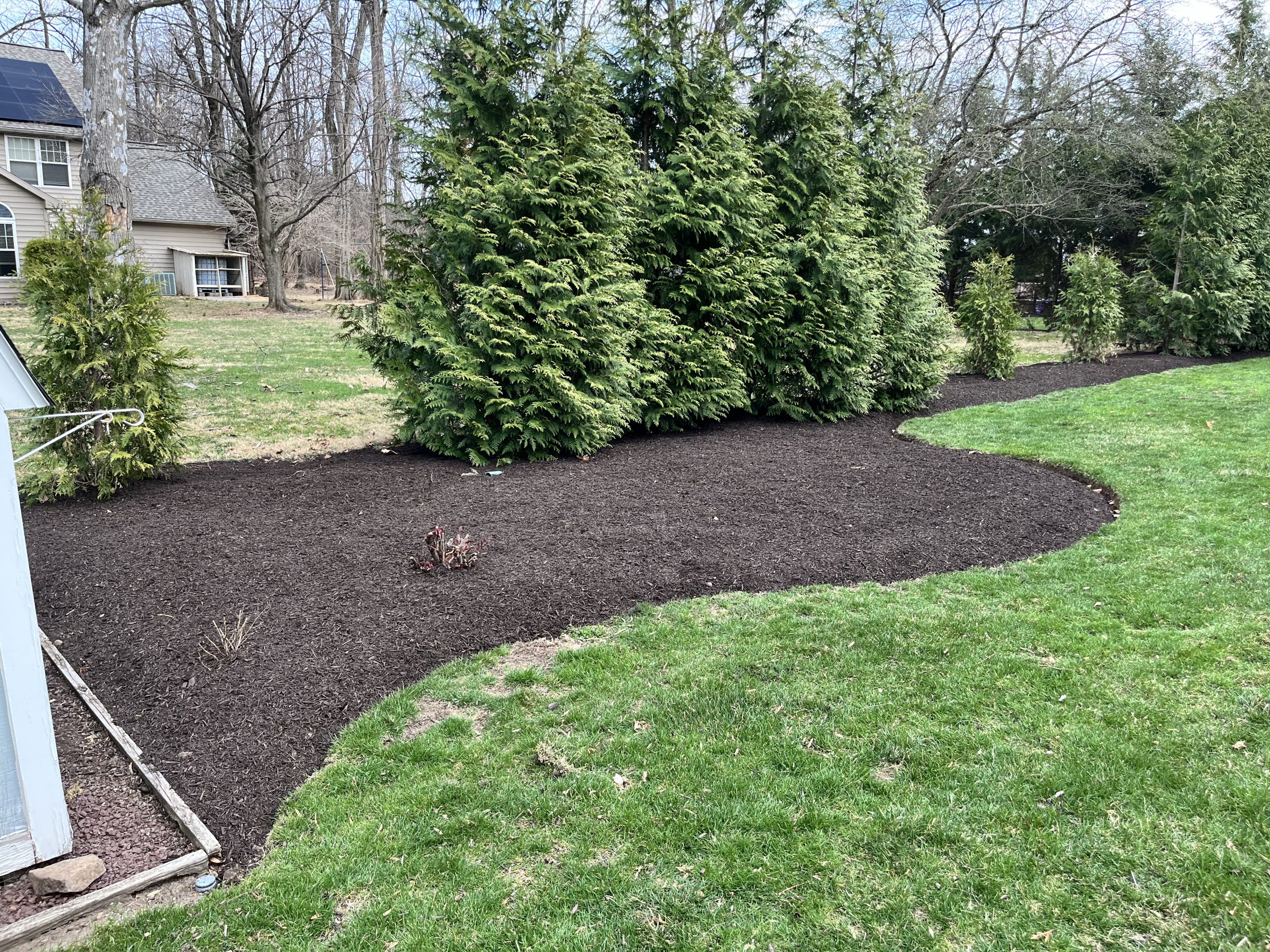
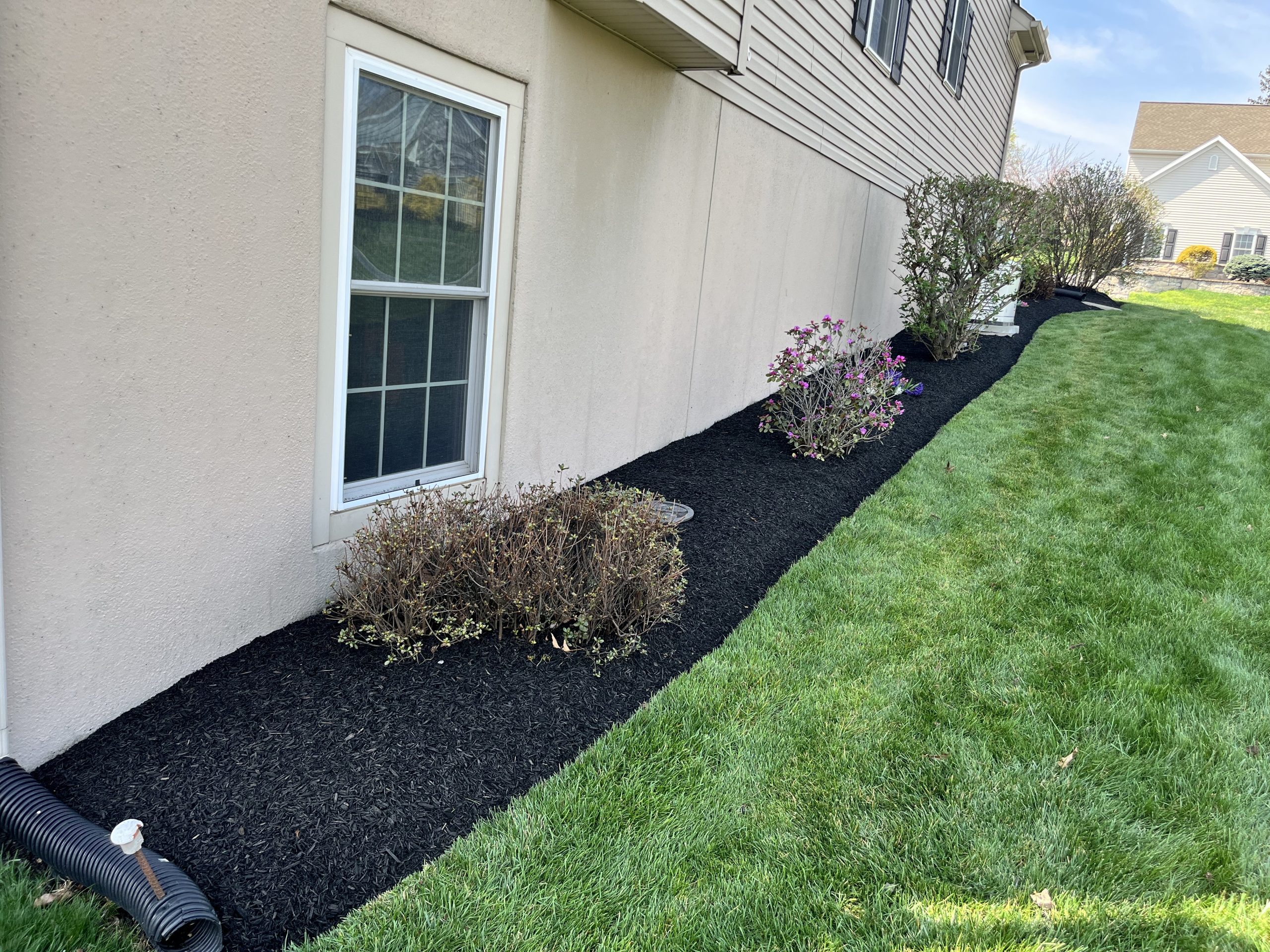
A planting bed can also hold water when it is built too high against the lawn or packed too tightly with old mulch. Mulch is helpful, but when it becomes thick and matted, it can block water movement and keep the soil below too wet. That is not good for many shrubs, flowers, or young trees because their roots need moisture and air. In Linglestown, PA, many properties have mature trees, shaded corners, and older beds that can hold damp soil longer than expected. Planting in these areas takes more care because the site may look fine on top while the root zone is too wet underneath.
Planting near a foundation can also cause water to show up where it shouldn't. If beds are sloped toward the house, water may collect along the foundation and then spill back toward the lawn. This can make the turf edge muddy and can also cause plants to yellow, wilt, or drop leaves even when they are getting plenty of water. It seems strange, but too much water can make a plant look thirsty because stressed roots can't take up water properly. A proper landscape installation should look at the soil, slope, roof runoff, and plant placement together. Otherwise, the same wet spot can return, no matter how many new plants you add.
Landscaping Fixes That Help Water Move the Right Way
Planting Around Grading Problems
Landscaping fixes for wet yards often begin with grading because water follows the shape of the land. If the lawn dips near the home, patio, shed, fence line, or driveway, water will collect there after each rain. A small low spot may not seem like a big issue in July, but September rain can make it obvious when the grass stays soft for days. The tricky part is that adding soil on top does not always solve the problem. If the old grade underneath is still wrong, the new soil may settle, and the puddle can return. That's why a careful look at the whole yard is better than filling only the wet area.
Smart Landscaping does not try to fight water in every situation. It guides water where it can soak in safely, drain away from usable areas, or support the right kind of planting. A property in New Cumberland,d PA with roof water spilling into a low lawn may need downspout extensions, a shallow swale, or a drain system that fits the site. A swale is simply a shaped low area that helps carry water across the yard without creating a harsh ditch. For some homes, a dry creek bed can also help manage runoff while looking natural in the landscape. This kind of landscape installation can improve drainage while still adding beauty to the property.
Landscape Maintenance Around Downspouts
Downspouts are easy to forget, but they can send a surprising amount of water into one small section of lawn. If the gutter outlet ends too close to the house or points toward a low area, the yard may stay wet long after the rest of the property dries. The same thing can happen when a neighbor’s slope, a shared driveway, or a paved area sends water across the grass. That is where professional Landscaping becomes useful because the visible puddle is not always where the water started. The real issue may be twenty feet away. Once you find the sourced, the fix can be much more direct.
Swales, drains, and rain gardens all have their place, but they are not the same solution. A swale helps move water across the surface in a controlled way. A drain can move water underground, but it must be placed properly and send water to a safe outlet. A rain garden is different because it is designed to catch runoff and let it soak into the soil with plants that can handle changing moisture. For a wetter yard, check the soil before adding this type of feature. If the ground drains poorly, the design may need a better soil mix, a different location, or another drainage option.
Landscaping Choices For Lawns, Beds, And Long-Term Care
Planting For Wetter Soil
Landscaping around wet soil isn't just about removing water. Sometimes the better choice is to use that moisture more smartly. Planting moisture-tolerant shrubs, perennials, and grasses can make a damp area look cared for instead of forgotten. The key is choosing plants that can handle wet periods without rotting. This works well for back corners, edges near swales, or parts of the yard that are not meant for heavy use. Around Linglestown, PA, this can be especially helpful on shaded lots where turf struggles and the soil dries slowly.
The best Landscaping plan also considers what the homeowner wants from the space. If the wet area is where children play, where guests walk, or where mowing has become a headache, it may need a stronger drainage fix rather than just new plants. If the area is along the edge of the property, a planted drainage feature may be a good fit. Planting should also match the amount of sun, the soil type, and how water enters the space. This is where experience matters because a plant that loves moisture can still fail if it sits in water for too long. A good plan balances beauty with how the yard actually behaves after rain.
Landscape Maintenance After Rain
Landscaping can make a yard perform better, but landscape maintenance keeps those improvements working. After heavy rain, homeowners should look for clogged drains, washed-out mulch, soil moving away from bed edges, and grass that looks flattened or yellow. These signs can show where water moves too fast or stays too long. Fall leaves can also block drainage paths in September and October, especially near curbs, beds, and low corners of the lawn. Keeping those areas clear helps water move instead of backing up into the turf. This kind of care is simple, but it can prevent bigger wet-yard problems later.
Good landscape maintenance also protects new work after a landscape installation. Fresh grading, new beds, and young turf need time to settle, root, and adjust to the site. If you plan landscaping work for a wet yard, September can help because cooler weather is easier on lawns and many plants. Still, crews should avoid working soil when it is too wet because that can create more compaction. Homeowners should also avoid mowing the soggy area until it can handle the mower without leaving ruts. Solid work, every time, comes from knowing when to build, when to wait, and when the yard needs a different approach.
Conclusion
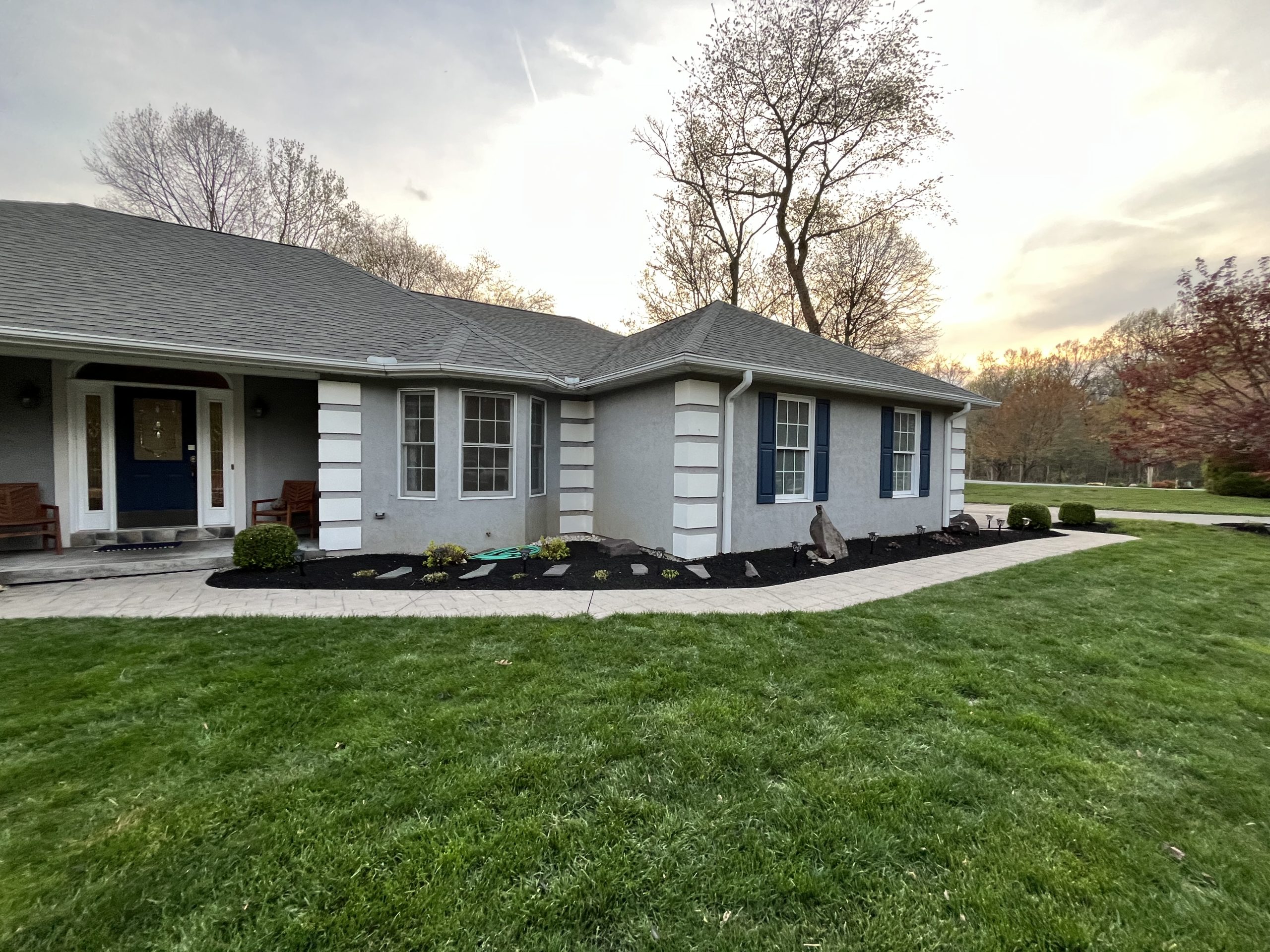
A wet yard after rain can come from compacted soil, poor grading, roof runoff, thick mulch, heavy shade, or a mix of problems across the property. Once you understand the cause, the right Landscaping plan can help the space dry better, support healthier turf, and make planting areas easier to care for. At Flores Landscape Services, we transform properties by looking at what the yard is doing now and what it needs for long-term use. We deliver top-tier results with solid work, every time, whether the property needs drainage help, better bed design, or a full outdoor refresh. If your yard keeps holding water after it rains, contact us today, and we'll help you figure out the best next step.
